Kaolin Clay in Soap: Benefits and How to Use It
Kaolin is the mildest cosmetic clay available. In soap, it adds silky slip, a creamy, stable lather, and light oil control without stripping the skin, which is why it's a favorite for sensitive-skin bars and shave soap. This guide covers the benefits, how much kaolin clay to use, how it compares to other cosmetic clays, and how to add it to your batch without clumps.
What Is Kaolin Clay?
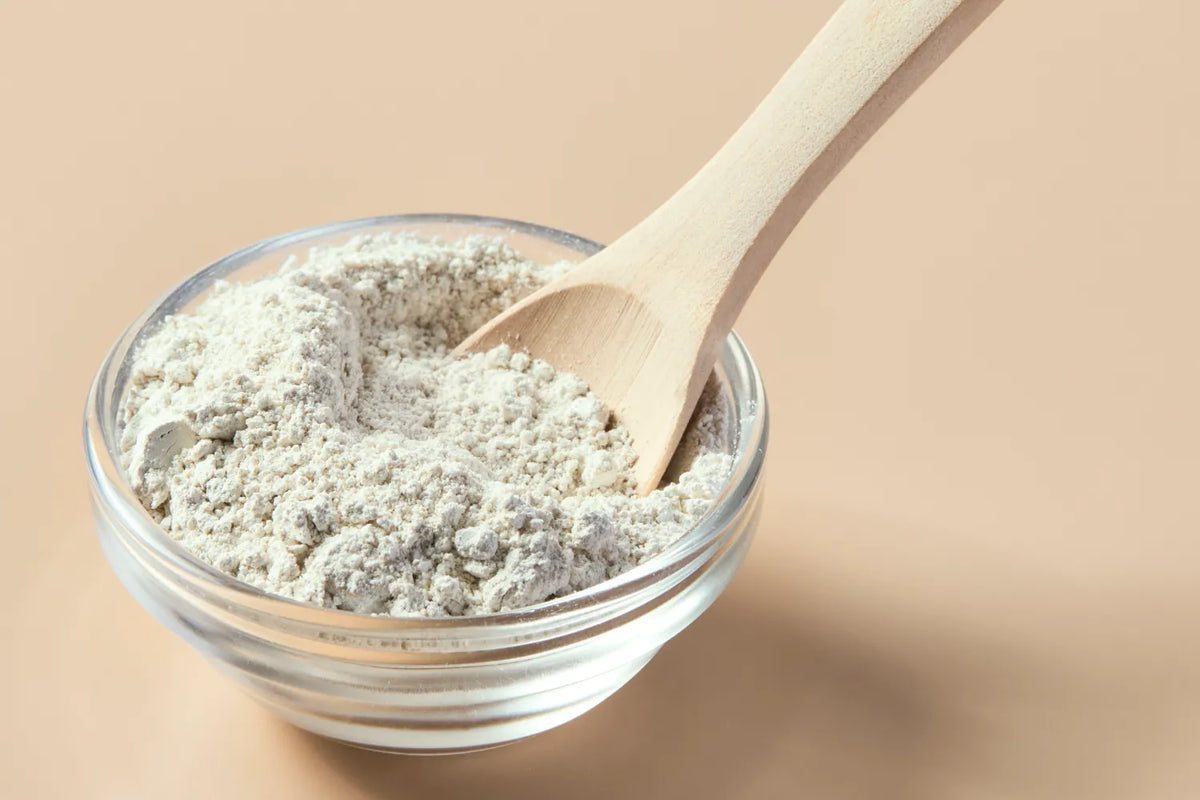
Kaolin is a naturally fine, white clay and the mildest option in the cosmetic clay family. Its particle size is smaller than bentonite or French green clay, so it disperses smoothly into soap batter and leaves a silky finish instead of a gritty one. That mildness is why formulators add kaolin for texture and function, without adding drying power many customers don't want. It's refined specifically for cosmetic use, so the grade you're formulating with is consistent from batch to batch, not the coarser clay sold for industrial or ceramic applications.
For Makers building a soap line, kaolin plays two clear roles. It performs as a skin-conditioning additive, and it performs as a natural, label-friendly colorant. Few single ingredients cover both jobs this cleanly, which is part of why kaolin stays a staple across facial bars, shave soap, and cold process recipes.
Kaolin works in both cold process and melt and pour soap. In cold process, it blends into the batter at trace and stays fully suspended through cure. In melt and pour, disperse it into a small amount of the melted base or a compatible liquid first, then stir it into the rest of the pour so it distributes evenly instead of settling to the bottom of the mold.
Benefits of Kaolin Clay in Soap
Silky glide. Kaolin's fine particle size creates a smooth, cushioned feel across skin. This is why it shows up so often in shave soap, where a comfortable glide determines how the shave actually feels.
Creamy, stable lather. Added at the right rate, kaolin helps stabilize lather structure, producing a denser foam that holds up through a full wash or shave rather than thinning out quickly.
A natural, label-friendly additive. Kaolin is a naturally occurring mineral, so it fits clean-label positioning without synthetic ingredient concerns, an increasingly important detail for Makers selling to ingredient-conscious buyers.
Fragrance support. Clays help anchor fragrance and essential oils, extending scent life over the shelf life of the bar and through repeated use. See our guide to using fragrance in cold process soap for more on getting scent to hold.
Formulating flexibility. Kaolin blends cleanly with other additives, oils, and colorants without altering trace time significantly, so it drops into an existing recipe without forcing a reformulation.
Kaolin Clay Benefits for Skin
Kaolin's biggest advantage for skin is restraint. It absorbs excess surface oil without pulling moisture the way stronger clays like bentonite can. That balance makes it suitable for sensitive, reactive, and dry skin types that need oil control without tightness or irritation.
This is also why kaolin performs well in facial bars. It gives customers the clean, matte finish they associate with clay, without the post-wash tightness that sends them looking for a different bar. For a product line built around gentle, everyday use rather than deep detox, kaolin is the more dependable choice over heavier clays.
Kaolin also suits customers who want the feel of a clay bar without added texture. Because its particle size is so fine, it produces a smoother finish than coarser clays, which matters for facial formulas where gentleness is the entire selling point.
How Kaolin Compares to Other Cosmetic Clays
Cosmetic clays are not interchangeable, and choosing the right one depends on the result you're formulating for.
Kaolin is the mildest of the group: fine, white, and gentle enough for daily facial use and sensitive skin.
Bentonite is stronger and more absorbent, pulling more oil and impurities from the skin. It suits oily-skin and detox formulas but can feel drying if overused on sensitive skin.
French green clay sits between the two in strength, with a naturally earthy tone that works well in clarifying bars.
Rose clay, a blend of kaolin with iron oxide, keeps kaolin's gentleness while adding a soft pink tint, making it a popular choice for facial bars that want color along with mild performance.
When a formula calls for gentle, consistent performance without added drying power, kaolin is a good place to start. When it calls for stronger oil control, a heavier clay like bentonite is worth using instead.
Many product lines end up carrying more than one clay for exactly this reason: kaolin for facial and sensitive-skin bars, a stronger clay for a detox or oily-skin line. Stocking both gives you a formula answer for either customer without reworking a base recipe from scratch.
How Much Kaolin Clay to Use (and How to Add It)
Usage rate depends on the result you're formulating for.
For a facial bar, start light: around 1 teaspoon of kaolin per pound of oils delivers gentle oil control without over-drying the skin.
For a shave bar, go heavier: 1 to 2 tablespoons per pound of oils builds the cushion and glide a good shave needs.
For an everyday bar where kaolin is mainly doing color or light texture work, a half teaspoon to 1 teaspoon per pound of oils is usually enough.
Kaolin clumps if you add it dry straight to trace. Disperse it first in a small amount of water, glycerin, or a light liquid oil until smooth, then blend that mixture into your batter at light trace. This one step prevents the clumps and speckling that show up when clay hits batter unmixed, and it keeps the clay distributed evenly through every bar in the mold.
Measure by weight rather than volume if you're scaling a recipe up. Teaspoon and tablespoon measures are useful for testing a small batch, but a scale keeps larger batches consistent from pour to pour.
Store kaolin in a sealed, dry container away from moisture. It doesn't spoil, but it will clump if it absorbs humidity from the air, which makes dispersing it harder and can leave uneven specks in the bar.
Kaolin as a Natural Colorant
Beyond skin and lather performance, kaolin doubles as a soft, natural colorant. It brightens soap to a clean off-white without dyes or synthetic pigments, and it blends easily with other natural colorants when you're building a full palette. See our guide to coloring soap with micas, oxides, and clays for how kaolin pairs with other natural pigments.
FAQ
What does kaolin clay do in soap?
Kaolin adds silky glide, a creamy, stable lather, and light oil control to soap. As the mildest cosmetic clay, it delivers these results without stripping or drying skin, making it a reliable choice for facial bars, shave soap, and sensitive-skin formulas that need performance without harshness.
How much kaolin clay per pound of oils?
Start around 1 teaspoon per pound of oils for a facial bar. For a shave bar, where more cushion and glide are needed, increase to 1 to 2 tablespoons per pound. Disperse it in liquid first so it distributes evenly through the batter instead of settling.
Is kaolin clay good for sensitive skin?
Yes. Kaolin is the gentlest cosmetic clay, absorbing excess oil without pulling moisture from skin. That makes it a dependable choice for sensitive, reactive, and dry skin types that need oil control without added irritation or a tight, post-wash feel.
Do you have to disperse kaolin clay before adding it?
Disperse kaolin in a small amount of water, glycerin, or light oil before adding it to your batter. Adding it dry causes clumping and speckling in the finished bar, so dispersing first is the fastest route to a smooth, consistent result across every bar.
Bring Kaolin Into Your Next Batch
Kaolin clay is a practical, proven addition for Makers formulating facial bars, shave soap, or any sensitive-skin line. Consistent particle size means consistent performance batch to batch, and its dual role as conditioner and colorant means one ingredient covers two jobs in your formula.
Shop kaolin clay and browse the full cosmetic clays and additives categories to build out your next batch.