Articles

What Hyaluronic Acid Is & The Benefits

Article

What Hyaluronic Acid Is & The Benefits

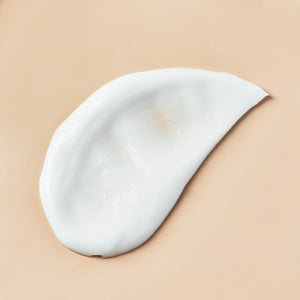
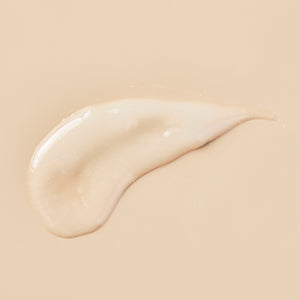
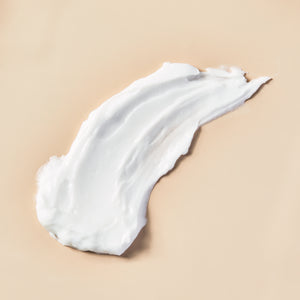
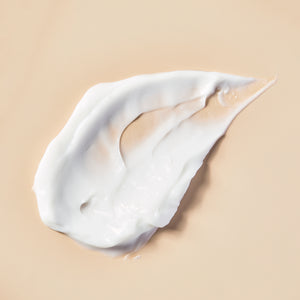
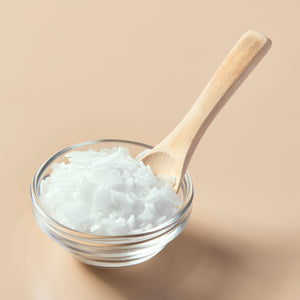
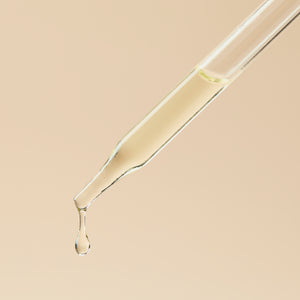
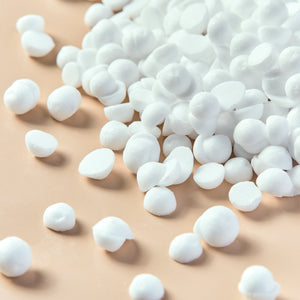
Hyaluronic acid (HA) is a naturally occurring substance in the body, primarily found in the skin, eyes, and connective tissues. Known for its incredible ability to retain moisture, hyaluronic acid is a popular ingredient in skincare products, including soaps, creams, and serums. Its hydrating properties make it essential for maintaining vibrant, youthful skin. But what exactly does hyaluronic acid do, and why should you consider it for your skincare routine? Let's dive in. Yes, hyaluronic acid moisturizers are known to be safe and effective for daily use. In fact, incorporating a hyaluronic acid moisturizer into your everyday skincare routine can contribute to optimal hydration levels, helping to leave your skin soft, plump, and radiant. Its lightweight and non-greasy formula make it suitable for all skin types, including oily and sensitive skin. To maximize its potential benefits, apply the moisturizer to slightly damp skin, as hyaluronic acid works best when it has water to bind to. Pairing it with a good sunscreen during the day may also protect your hydrated skin from environmental damage. With consistent use, a hyaluronic acid moisturizer has the potential to enhance your skin's elasticity, smoothness, and overall health. Hyaluronic acid may offer numerous benefits for the skin, making it a staple in many skincare routines. Deep Hydration: HA can hold up to 1,000 times its weight in water, ensuring your skin stays hydrated throughout the day. Improved Elasticity: Regular use promotes potential skin elasticity, helping it appear firmer and more youthful. Smoother Skin: HA may reduce the appearance of fine lines and wrinkles by plumping the skin. Enhanced Skin Barrier: It has the potential to fortify the skin's natural barrier, protecting it from environmental damage. Soothing Properties: HA can calm irritated or sensitive skin, making it suitable for all skin types. Hyaluronic acid's primary role in skincare is contributing to hydration, but its reported benefits go far beyond that. It binds water to the skin's surface, creating a plump and smooth appearance. This hydration not only helps minimize fine lines and wrinkles but also supports overall skin maintenance by contributing to its suppleness. Additionally, HA has the potential to promote cell turnover and healing, making it beneficial for dry, damaged, or aging skin. With consistent use, hyaluronic acid may leave your skin glowing and revitalized. Hyaluronic acid is generally safe for all skin types, including sensitive and acne-prone skin. However, some people could potentially experience minor irritation, redness, or breakouts when using HA in overly concentrated forms or paired with other harsh ingredients. To avoid this, choose products formulated with a balanced concentration of HA and perform a patch test before applying them to your face. If you have extremely dry skin, HA may work best when used with a moisturizer to prevent dehydration from its water-binding properties.Incorporating hyaluronic acid into your skincare routine, whether through soap, serums, or moisturizers, can potentially transform your skin's hydration and glow. With its reported ability to nourish and protect, HA is a must-have ingredient for glowing, youthful skin.
Simple Secrets Making Soap Animals

Article

Simple Secrets Making Soap Animals

How are soap animals made?Soap animals begin with a special cold process soap recipe that has specifically been designed to work as 'soap dough'. Once the soap reaches its dough-like consistency (usually 1-2 days after making), it is hand molded into cute soapy animals. Once the soap animals are made, the soap continues to cure for 4-6 weeks and are ready for use after this time.
13 Simple Activities to Decrease Stress and Renew Your Spirit

Article

13 Simple Activities to Decrease Stress and Renew Your Spirit

On a scale of one through ten, how would you rate your stress? You may be surprised when you take the time to assess how high your stress levels really are. The odd thing about stress is that it sneaks up on you. One day you’re managing life nicely, and the next you’re doing things that are totally out of character: lashing out at your child, forgetting important details, losing sleep, even forgetting to breathe properly!
10 Essential Oils For A Happy, Healthy Holiday Home

Article

10 Essential Oils For A Happy, Healthy Holiday Home

Fill your home with traditional scents of the season with our top holiday essential oils, inspired by the aromatic plants used throughout the centuries.
Decode Your Label: Syndet Soap

Article

Decode Your Label: Syndet Soap

What is Syndet Soap? A combination of a carrier base, usually fixed oils or soap, and an exfoliant. What's in it?
High Volume Production: How to Streamline the Process to Fill Fundraising Orders

Article

High Volume Production: How to Streamline the Process to Fill Fundraising Orders

When you are master batching soap/cosmetics for a large event, it’s best to plan each step ahead of time to ensure an efficient process. We call this streamline production. By streamlining your soapmaking process, you will have everything ready ahead of time so that when it’s time to actually make your product, all you have to do is melt, mix and pour! It can also help protect your trade secrets from employees! When streamlining the production, employees, who may even be temporary as-needed workers, can only see certain steps of your process. Streamlining can prove to be beneficial in many ways, but it can be a difficult adjustment at first. Here are some tips to use as a guideline when streamlining your next large melt and pour batch! (The same concepts can be applied for any of your handmade products, not just soap.)
7 Tips To Stress Less

Article

7 Tips To Stress Less

With the current health crisis in the US and other parts of the world, it is no secret that most of us are under a large amount of stress. Although it is perfectly normal to feel stressed right now, minimizing our stress is important as ever so that our immune system can stay strong to. You may feel like there is nothing you can do to manage this stress, but there are plenty of ways to release your stress in the comfort of your own home! Here are 7 suggestions to help release some stress and keep you busy during this crazy time.
Handcrafted soap bars with red and white layers and a circular embed, styled on a wooden surface with natural packing filler, a kraft gift box, and festive red berry accents.

Article

Handmade Soap Packaging Ideas

Packaging soap for sale or as gifts doesn't need to be a challenge. Discover numerous creative ways to enhance your soap packaging using everyday items from your home or a quick visit to your local dollar or craft store. Here, we focus on showcasing your soaps in functional and aesthetically pleasing ways. Keep reading and spark ideas for soap packaging! Before you begin packaging, it's crucial to understand the different needs of melt-and-pour soaps (MP) and cold-process soaps (CP). MP soaps can attract moisture from the air, especially in humid conditions, leading to beads of moisture on the soap. Therefore, it's advisable to wrap MP soaps shortly after production. Conversely, CP soaps should be allowed to breathe and do not require immediate wrapping. Wrapping Your MP SoapsStep 1: For the best results, use Professional Clear Food Wrap, available at bulk stores like Costco or Sam's Club. This type of wrap clings better than typical household brands and effectively protects the soap from moisture.Step 2: Lay a clear wrap on a flat, smooth surface. Place your soap face down on the wrap. Tip: If your soap has a delicate design, consider placing it face up and carefully stretching the wrap over it.Step 3: Stretch one side of the wrap tightly over the soap as if wrapping a present, and smooth it down so it clings to the soap.Step 4: Repeat with the other side, ensuring the wrap overlaps and is smoothed down. Trim any excess wrap to avoid overhang.Step 5: Turn the soap right side up, stretch the sides of the wrap tightly, trim the excess, and smooth down the ends. Secure it with clear tape, and cover the underside with an ingredient label. Explore some specific soap packaging ideas from our tutorials:Crayon Soaps: Enhance these playful soaps with a crayon label. Print and cut the label, center it over the soap, and secure it with tape. Present the soap crayons in a small bucket tied with a ribbon for a charming gift.Green Irish Tweed Soap: This masculine soap can be elegantly presented with a simple wrap. Use a ribbon, twine, or a nicely patterned paper cut to size, wrapped around the soap, and taped down.Impression Soap: Wrapping paper works perfectly for simple geometric soaps, such as rectangles or squares. Use festive or plain Kraft paper and wrap it like a small gift box.Rubber Ducky Soap: Use sheer organza for soaps with unique shapes like the rubber ducky. Place the soap on the organza, gather the material at the top, and tie it with a ribbon. These are ideal for baby shower favors.Kitchen Soap: Opt for a rustic look with a muslin or cotton bag. Stamp the bag with a personal message or your shop name, insert the soap, and tie it with a decorative element like a tiny floral or berry swag. Different soap shapes require unique packaging approaches to ensure they are both protected and presented beautifully. Whether using clear wraps for standard bars or creative materials like organza for irregular shapes, your packaging can significantly enhance your handmade soaps' perceived value and appeal.With these soap packaging ideas, you can transform your handmade products into beautifully wrapped gifts or attractive items for sale, adding a personal touch to each piece.
Simple Ways to Ease Your Stress in Five Minutes (or Less)!

Article

Simple Ways to Ease Your Stress in Five Minutes (or Less)!

You can’t eliminate all the uncertainty that arises when you own a business. But you can control how you react to the demands you face as an entrepreneur. Try these three simple wellness practices to improve your mental well being, and reduce the stress that can hinder your ability to perform.
Maximize Your Downtime

Article

Maximize Your Downtime

Maximizing your downtime is not only a great way to refresh your mind, but it is the perfect occasion to breathe new life into your business.
The Science of 'SPF'

Article

The Science of 'SPF'

What is sun protection factor (SPF)? It’s a measure of how well a sunscreen can block ultraviolet B or UVB rays from damaging your skin. The sun emits all kinds of radiation, but the ones that worry us the most are the ultraviolet A and B rays. UVB rays are responsible for sunburn, skin damage and skin cancer, while UVA rays penetrate deeper into our skin to cause all the physical signs of photo-aging, like wrinkling and sagging skin. UVA rays increase the damage UVB rays can cause, and may also be a cause of skin cancer. When choosing a sun protecting product, we definitely want to look for a broad spectrum, multi-spectrum or full coverage product that contains both chemical and physical sunscreens.
Ultimate Guide to Carrier Oils and Body Butters

Article

Ultimate Guide to Carrier Oils and Body Butters

Welcome to the creative world of bath product formulation, where the vast selection of oils and butters offers limitless opportunities for customization and innovation. At Elements Bath and Body, we provide an extensive array of carrier oils and butters to meet all your formulating needs, whether you're making lotions, body products, or cold-processed soap. Carrier oils play a crucial role in the formulation of skincare products. They are primarily used to dilute essential oils and help carry them to the skin. Carrier oils vary in their composition, skin feel, and benefits, making them suitable for different skin types and conditions. These oils can generally be interchanged in recipes for lotions, bars, scrubs, and other body products, providing flexibility in product development. Body butters are a delightful addition to any skincare routine, offering deep moisturization and a rich texture that's particularly beneficial during the colder months. Like carrier oils, body butters can vary widely in their properties and benefits. For instance, cocoa butter provides a hard, protective barrier that is great for locking in moisture, while shea butter offers more flexibility and nourishing fatty acids beneficial for soothing the skin. Proper storage of oils and butters is key to preserving their quality and extending their shelf life. Most butters can last about two years if stored correctly, while the shelf life of oils can vary. Oils rich in monounsaturated fatty acids or antioxidants tend to last longer, whereas those high in polyunsaturated fatty acids have shorter shelf lives. Always store your oils and butters in a cool, dark place, and consider refrigeration for oils with shorter shelf lives. Adding a small amount of Vitamin E can also help protect oils from oxidation. Integrating carrier oils and body butters into your skincare routine can significantly enhance skin texture and resilience. The fatty acids present in these oils and butters are vital for maintaining the skin's lipid barrier, which protects against environmental damage and prevents water loss. Whether you're dealing with dry skin, looking to reduce inflammation, or hoping to restore your skin's natural barrier, the right combination of oils and butters can make a noticeable difference.To further explore how to incorporate these natural wonders into your skincare regimen, check out our comprehensive guide to body oils and dive deeper into the benefits of body butters with our detailed look at different types of butters. These resources are designed to help you make informed choices and get the most out of your natural skincare products.