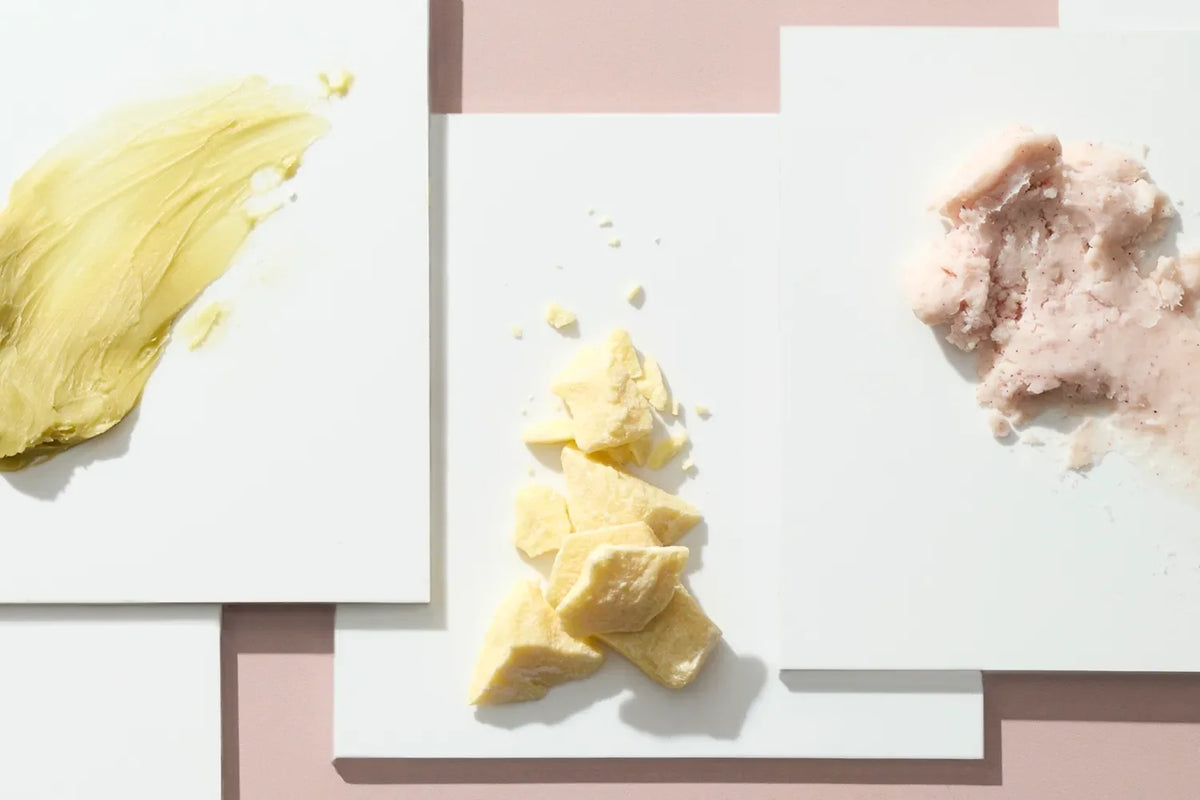
The Best Oils and Butters for Soap Making
There is no single best oil for soap making. A balanced bar comes from combining oils that each pull a different lever: hardness, cleansing, lather, and conditioning. This guide shows which oils and butters deliver each property, plus a starter blend and a practical way to size your own recipe.
Every experienced Maker learns the same lesson early: the right soap oil depends on the bar you are trying to build. Olive oil produces a gentle, conditioning bar but stays soft on its own. Coconut oil produces big lather and real hardness but can feel drying at high percentages. Castor oil stabilizes lather in amounts too small to notice on a label. A formula built on one oil rarely performs, but a formula built on the right combination does.
This guide breaks down the oils and butters WSP Makers rely on, what each one contributes, and how to combine them into a bar that holds up in the shower and sells well on the shelf. Getting the blend right also protects margins. An oil that performs consistently batch after batch means fewer reworked batches, fewer customer complaints about a bar that softens too fast, and a formula that scales cleanly as order volume grows.
How Oils Shape a Bar
Every soap oil brings its own fatty acid profile to a formula, and that profile determines what the oil contributes to the finished bar. Four properties matter most.
Hardness comes from saturated fatty acids like lauric, myristic, palmitic, and stearic acid. A harder bar holds its shape, resists melting in a wet soap dish, and lasts longer per use.
Cleansing also comes from lauric and myristic acid, the same fatty acids found in coconut and palm kernel oil. A formula with too much cleansing power strips natural oils from skin, so this lever needs a counterbalance.
Lather comes primarily from coconut oil and castor oil. Coconut oil produces a big, bubbly lather. Castor oil, rich in ricinoleic acid, stabilizes that lather and gives it more staying power, even at low percentages.
Conditioning comes from oleic and linoleic acid, the fatty acids concentrated in olive oil, most butters, and high oleic sunflower or safflower oil. A conditioning oil leaves skin feeling smooth rather than tight.
Superfat is the percentage of oil left unreacted after saponification. It is set through the lye calculator, not through the oil choice itself, and it determines how moisturizing the finished bar feels.
No oil delivers all four properties at once. Formulation means selecting oils that cover each lever, then running the batch through a lye calculator to confirm exact amounts. For a full breakdown of fatty acid profiles by oil, see WSP's oil and butter properties chart. For the chemistry behind why these fatty acids react the way they do, see the science of saponification.
Some Workhorse Base Oils
These four oils form the backbone of many cold process and hot process formulas. Each one earns its place for a specific reason, and most finished formulas lean on two or three of them together rather than any single oil alone.
Olive Oil: Conditioning
Olive oil is high in oleic acid, which makes it the standard conditioning oil in soap making. A bar made with a high percentage of olive oil feels smooth and gentle, which is why traditional Castile soap uses it almost exclusively. On its own, olive oil produces a soft bar with a light, slow lather, so most Makers blend it with a harder oil rather than using it alone. Formulas built around olive oil also trace more slowly and benefit from a longer cure time before the bar reaches full hardness.
Coconut Oil: Hardness and Lather
Coconut oil is the workhorse oil for hardness and lather. Its high lauric and myristic acid content produces a bar with big, bubbly lather and strong cleansing power. Most formulas cap coconut oil between 15 and 30 percent of total oils. Push past that range and the bar can feel drying, since the same fatty acids that clean skin also strip its natural oils.
Palm Oil and Palm-Free Alternatives: Stability
Palm oil is high in palmitic and stearic acid, which builds a hard, long-lasting bar with a stable, creamy lather. Makers sourcing palm oil should look for RSPO-certified or sustainably produced options. For a palm-free formula, the same structural role can be filled with a blend of hard butters or a high-stearic vegetable shortening. The table below shows common swaps.
Castor Oil: Lather Booster
Castor oil is unique among soap oils for its high ricinoleic acid content, which boosts and stabilizes lather even at low percentages. Most formulas use castor oil at 5 to 10 percent of total oils. Higher percentages can make trace come on fast and leave the bar feeling sticky, so this is an oil to use with a light hand.
The Luxury Butters
Butters layer onto a base oil formula to add conditioning, hardness, or both, along with a richer feel that customers notice and remember. Most Makers use butters at 5 to 15 percent of total oils, layered on top of a workhorse base rather than replacing it, since a formula built entirely on butters can trace fast and turn brittle.
Shea butter is high in oleic, stearic, and linoleic acid, which gives it a balanced profile of conditioning and moderate hardness. It is one of the most versatile butters in soap making and holds a place in nearly every luxury formula. See shea butter in soap for a closer look at how it performs.
Cocoa butter is concentrated in stearic and palmitic acid, which makes it one of the hardest butters available. It contributes significant hardness and a stable lather, though unrefined cocoa butter carries a natural chocolate scent that can compete with added fragrance. Deodorized cocoa butter avoids that issue. For a side by side comparison, see cocoa butter vs shea butter for soap .
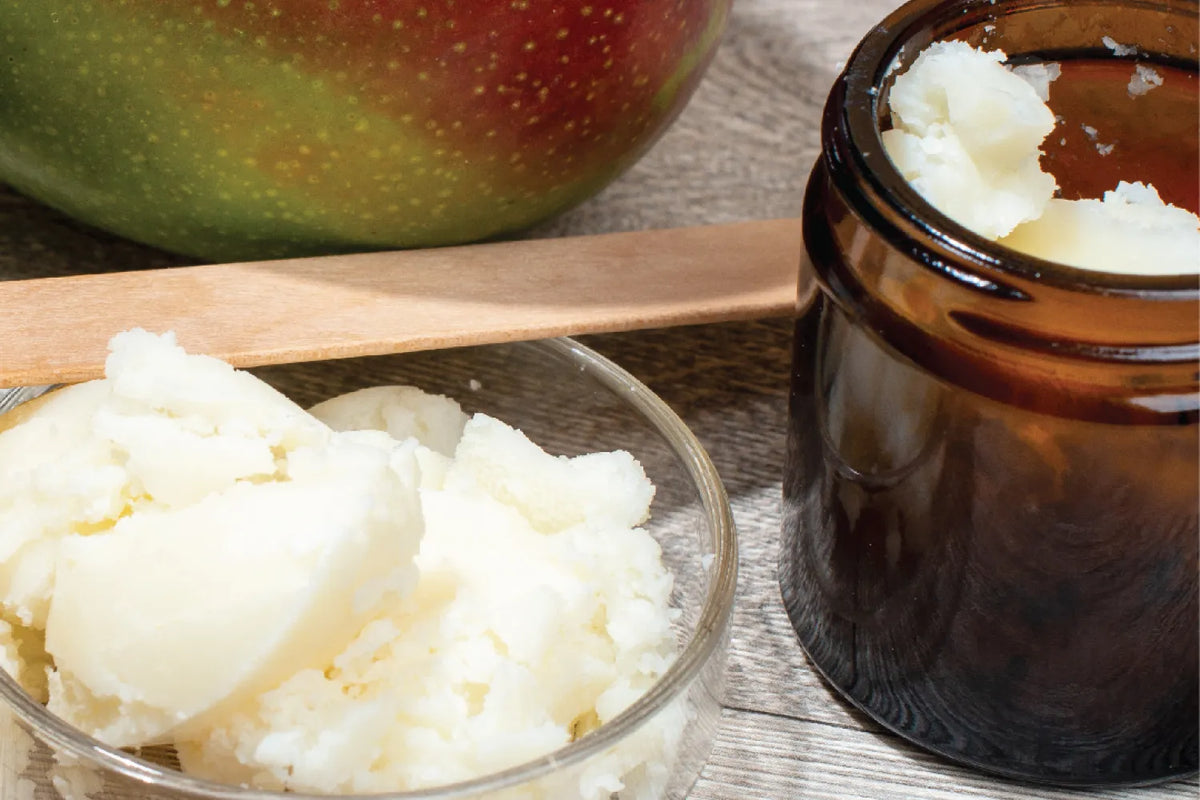
Mango butter shares a fatty acid profile close to shea butter but sets up firmer at room temperature. It adds conditioning along with more structural hardness than shea alone, which makes it a strong choice for bars that need to hold a crisp shape.
Kokum butter is one of the hardest butters used in soap making, with a fatty acid profile concentrated almost entirely in stearic and oleic acid. Even a small percentage sharpens bar hardness without adding heaviness, and it is prized for helping restore a smooth, elastic feel to skin.
A Balanced Beginner Blend
A reliable starter blend covers all four levers without requiring a long ingredient list. This combination works as a dependable base for a first cold process batch.
This blend produces a bar with solid hardness, a stable lather, and a conditioning finish that holds up well for resale. Before mixing a batch, run these percentages and your target batch weight through the lye calculator to confirm exact oil, lye, and water amounts, and to set a superfat level between 5 and 8 percent for a gentle, everyday bar. Makers new to the process can also review getting started with cold process soap for the full mixing sequence.
The same ratios scale directly from a test batch to a production run. Keep the percentages fixed and increase the total oil weight to match order volume, then let the lye calculator recalculate the lye and water for the new batch size. This keeps every batch performing the same way regardless of size, which matters once a formula is selling and repeat customers expect a consistent bar.
How to Balance and Size Your Recipe
Start with batch size. Decide the total weight of oils the recipe needs, based on the molds and yield the batch requires.
Select oils against the four levers. Choose at least one oil for hardness, one for cleansing, one for lather, and one for conditioning, using the oil and butter properties chart to confirm each oil's fatty acid contribution.
Run the formula through the lye calculator. Enter the oils and percentages into the lye calculator to generate the exact lye and water amounts, and set the superfat percentage for the finished bar's feel.
Check the calculated bar qualities. Most lye calculators return estimated hardness, cleansing, conditioning, bubbly lather, and creamy lather numbers on a 0 to 100 scale. Compare these against general target ranges and adjust oil percentages accordingly.
These ranges are starting points, not strict rules. A shaving soap benefits from higher cleansing and creamy lather, while a facial bar leans toward the low end of cleansing and the high end of conditioning. Adjust the target range to match how the finished bar will be used.
Test and refine. A formula that reads well on paper can still need adjustment after a test batch. Note trace speed, final hardness after cure, and lather quality, then fine-tune percentages for the next batch.
This process turns recipe building into a repeatable formulation system rather than guesswork, which matters for any Maker producing consistent batches for resale.
Frequently Asked Questions
What are the best oils for soap making?
There is no single best oil. A dependable formula combines olive oil for conditioning, coconut oil for hardness and lather, a hard oil or butter like palm or cocoa butter for stability, and a small percentage of castor oil to boost lather. Balancing these oils, rather than relying on one, produces a consistent, sellable bar.
What oil makes soap hard?
Oils high in saturated fatty acids build the most hardness. Coconut oil, palm oil, cocoa butter, and kokum butter all contribute significant hardness because of their concentrated lauric, myristic, palmitic, and stearic acid content. Most formulas combine at least one of these with a conditioning oil to avoid a bar that feels brittle or drying.
Which oil gives soap the most lather?
Coconut oil produces the biggest, most bubbly lather of any common soap oil. Castor oil does not generate large lather on its own but stabilizes and extends whatever lather is already present, which is why most formulas use a small percentage of castor oil alongside coconut oil rather than either one alone.
Do I need palm oil to make soap?
No. Palm oil is valued for the hardness and stability it adds, but a palm-free formula can reach the same result with cocoa butter, sal butter, or a hard vegetable shortening in its place. Sustainably sourced, RSPO-certified palm oil is also available for Makers who prefer to keep it in their formula.
Shop Oils and Butters at WSP
WSP carries the base oils and butters covered in this guide, sourced for consistent performance batch after batch. Reliable inputs are what make a formula repeatable, and a repeatable formula is what lets a Maker sell with confidence. Shop base oils and butters, then run your formula through the lye calculator to confirm your amounts before you mix.